







Car bodies and car types - we sort it out
The fact is that the car industry is the world's best at platitudes and pretentious advertising texts. There is not a car today that is not dynamic and inspiring and that offers a unique driving experience while solving your life's puzzle. Knowing what is fact, exaggeration or pure advertising is not always easy for the common man.
The car industry is also one of the most globalized and internationalized industries there is. This results in different markets around the world becoming more and more aligned, all so that planning, manufacturing and marketing will be as cost-effective as possible. The fact that, for example, a hatchback is no longer called a hatchback, but a sportback or some other English expression, is a consequence of that.
But even if you ignore all the mumbo jumbo, the automotive world is still a quagmire of concepts, expressions and technical terminology. That's why we now thought we'd set out to sort out the definitions of body shapes and car types. But before you continue reading, we have a small caveat: we know that many of the car types and concepts presented here overlap, and the boundaries are not always clear, but we have done the best we can. Please enjoy.
Station wagon
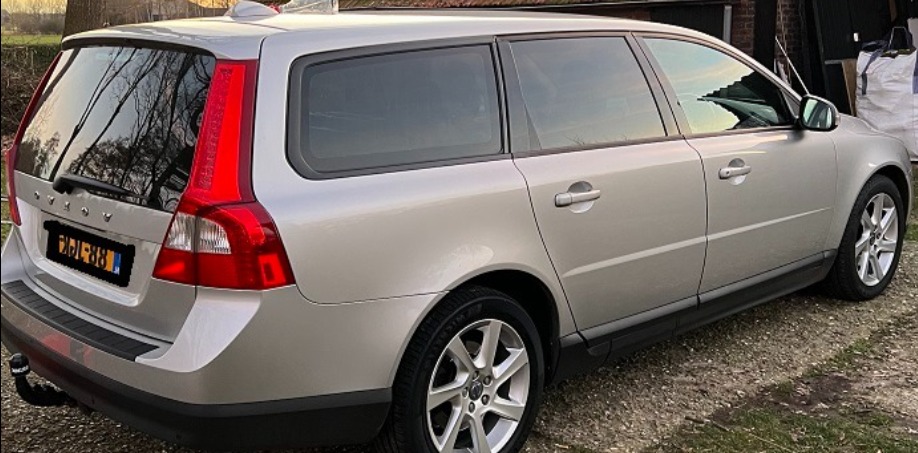
The estate car or station wagon has been king on the throne in the nordic countries for many decades. The benchmark for everyone has been the classic and super practical Volvo V70 followed by the Volvo V90. The combination has lasted a long time and it is really only in recent years that it has lost popularity in favor of the compact SUV and the popular coupé design.
Sedan
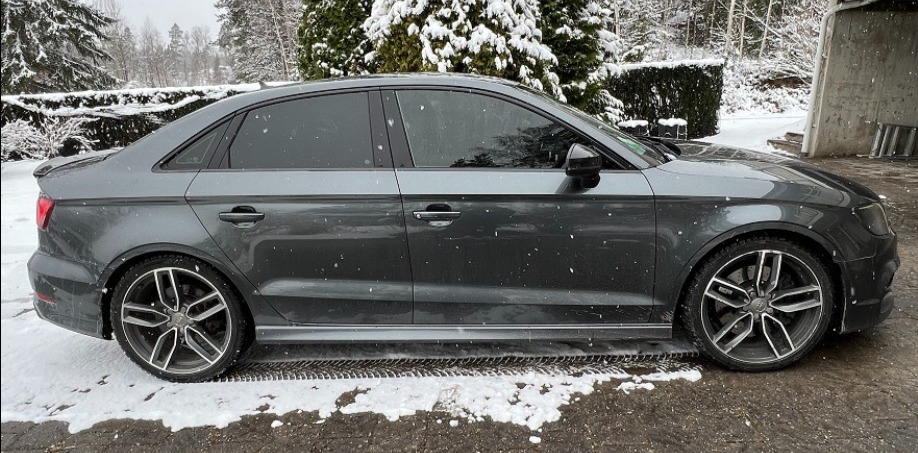
Sedan or saloon in English is actually the term for how a car should look and has always been considered the most classic and elegant body shape. The sedan is associated with a three-box configuration with separate spaces for engine, passenger and luggage and where there is a distinct slope from the roof of the car down to a horizontal tailgate. A three-door sedan is usually called a "notchback" in English.
Sportback
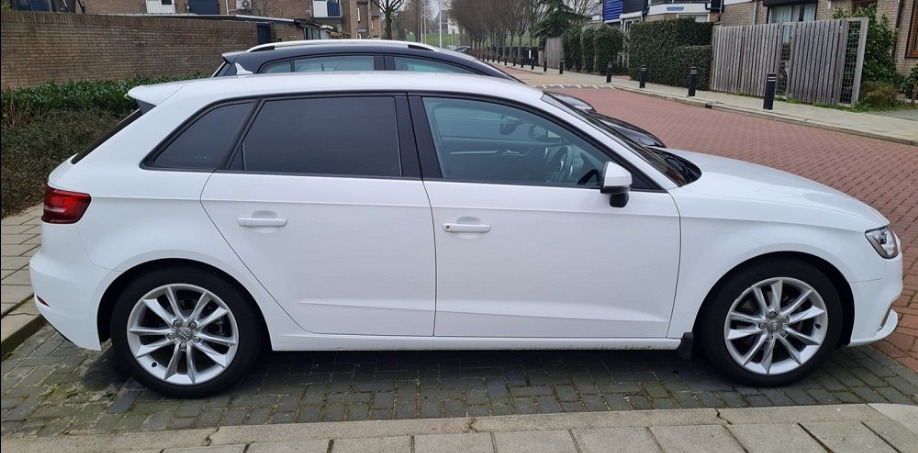
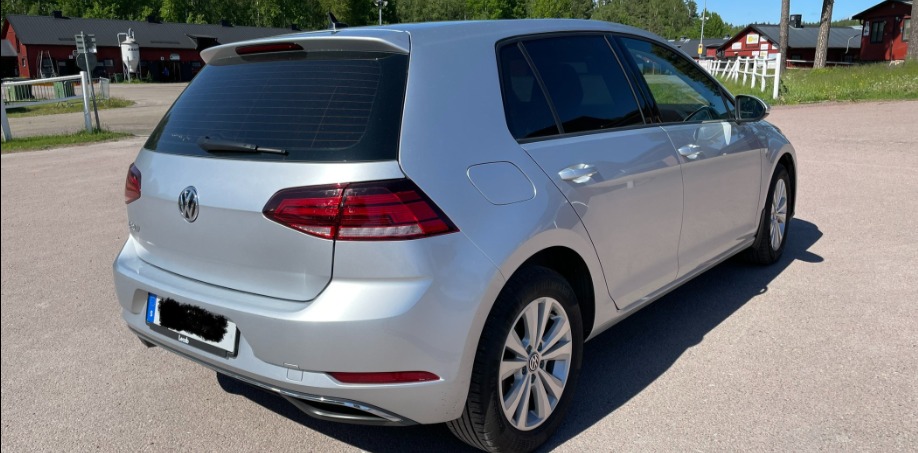
The sportback is a design compromise between a hatchback and a sedan where the hinges sit above the rear window instead of below as on the sedan. Hatchbacks don't sound so sexy these days, so instead they often go by more trendy names such as Sportback.
Hatchback
SUV
Crossover
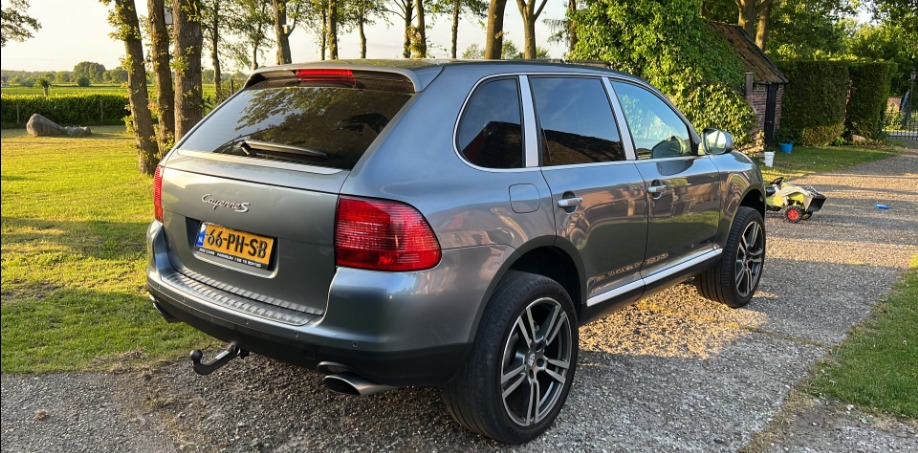
A crossover is a hybrid between a traditional passenger car and an SUV, i.e. a car primarily intended for city driving but with the SUV's higher ground clearance and elevated driving position. The car may have four-wheel drive but not necessarily, and the focus is primarily on comfort and fuel economy rather than off-road capabilities.
Fastback
Coupé
Roadster
Sports car
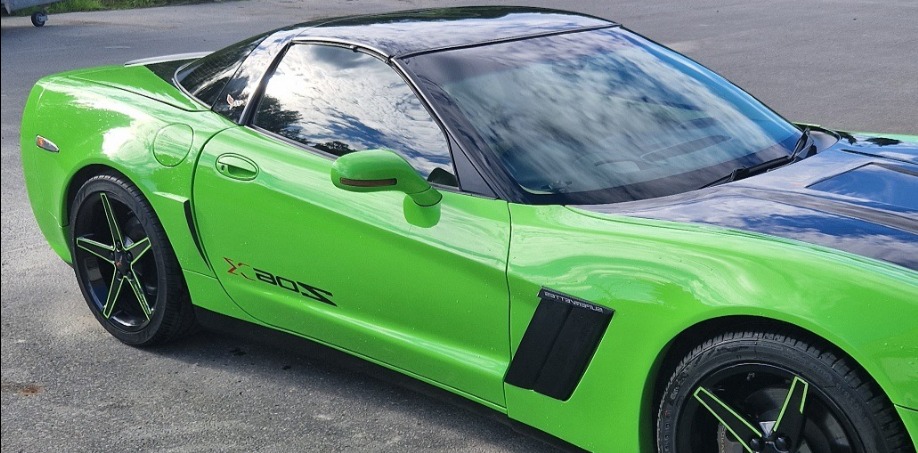
Sports car is a loose and vague term, but for most people it means a car with good performance, fast acceleration and a sporty driving experience. All sports cars are engineered with a focus on slick design, responsive steering, low center of gravity and sporty suspension, although size and body shape may vary.
Muscle car
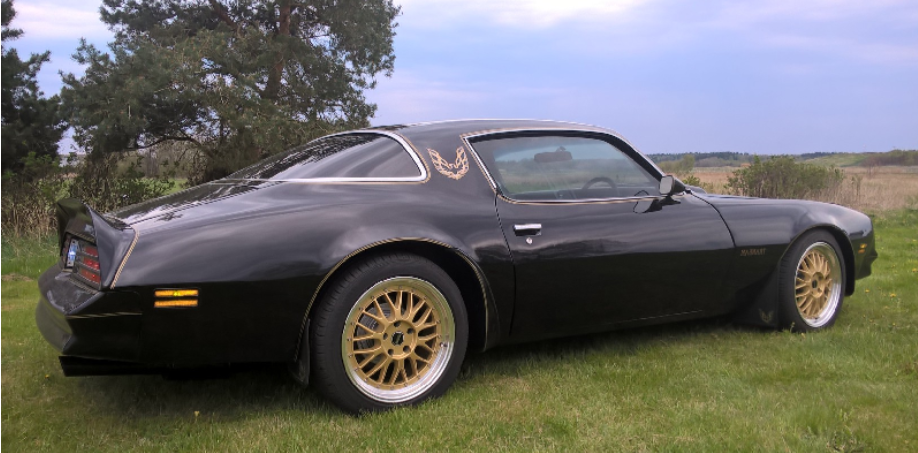
Muscle cars are known for their powerful engines and a broad, boxy shape. Classics muscle cars are the 1970 Dodge Challenger, 1969 Chevrolet Camaro, and 1976 Pontiac Firebird Trans Am. They stood out with long, boxy hoods to contain larger-than-usual engines.
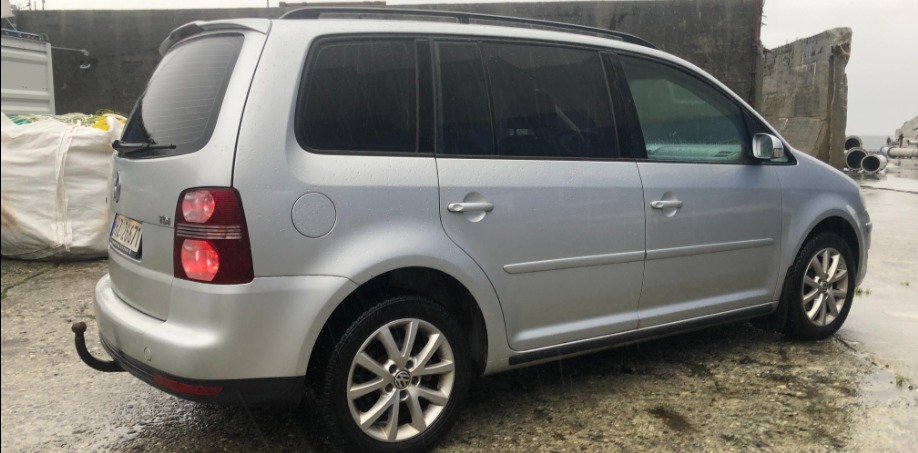
MPV
MPV (Multi Purpose Vehicle) is a type of passenger car designed to be versatile with generous space for passengers and cargo. There are usually three rows of seats and flexible interior configurations. The flip side of the coin is that they are often quite boring both in terms of design and performance. Dominated in the 90s and 00s.
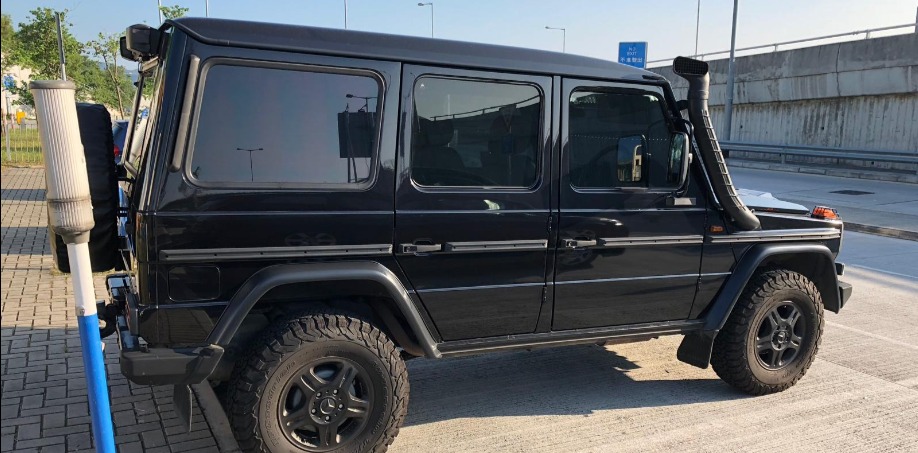
All-terrain vehicle
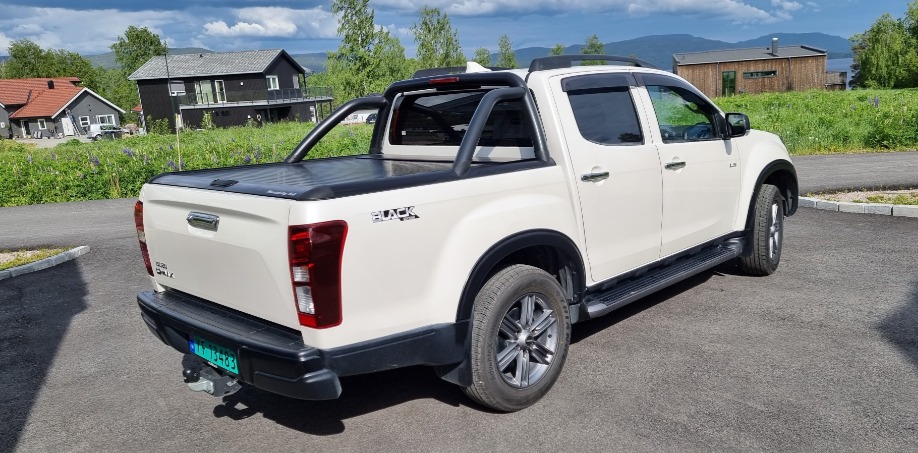
Pickup
In the pickup's home country of the United States, they sell better than ordinary passenger cars, which from a Swedish perspective is completely bizarre. Jumping into a pickup truck is like stepping back ten years in time when it comes to interior design, material selection and safety. With a "double cab" you have room for the whole family and with a lock to the flatbed you have good storage options.
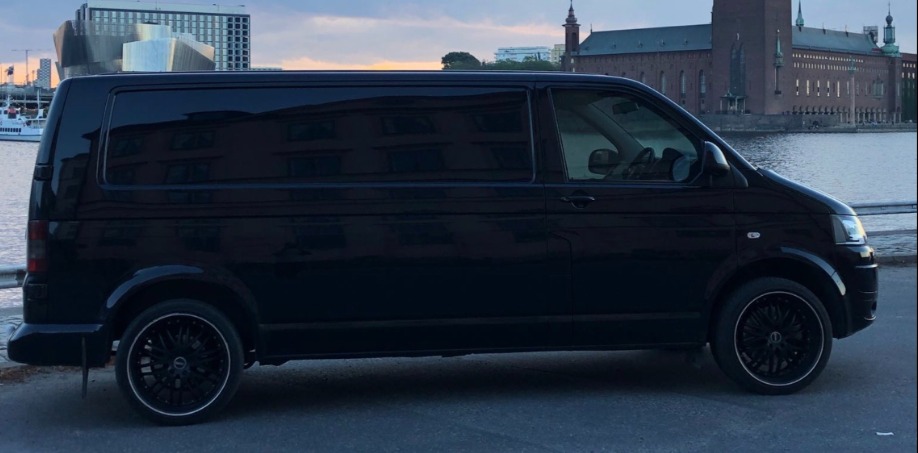
Van/Minivan
Picture : Wikipedia
Cabrio coach
Picture : Wikipedia
Convertible
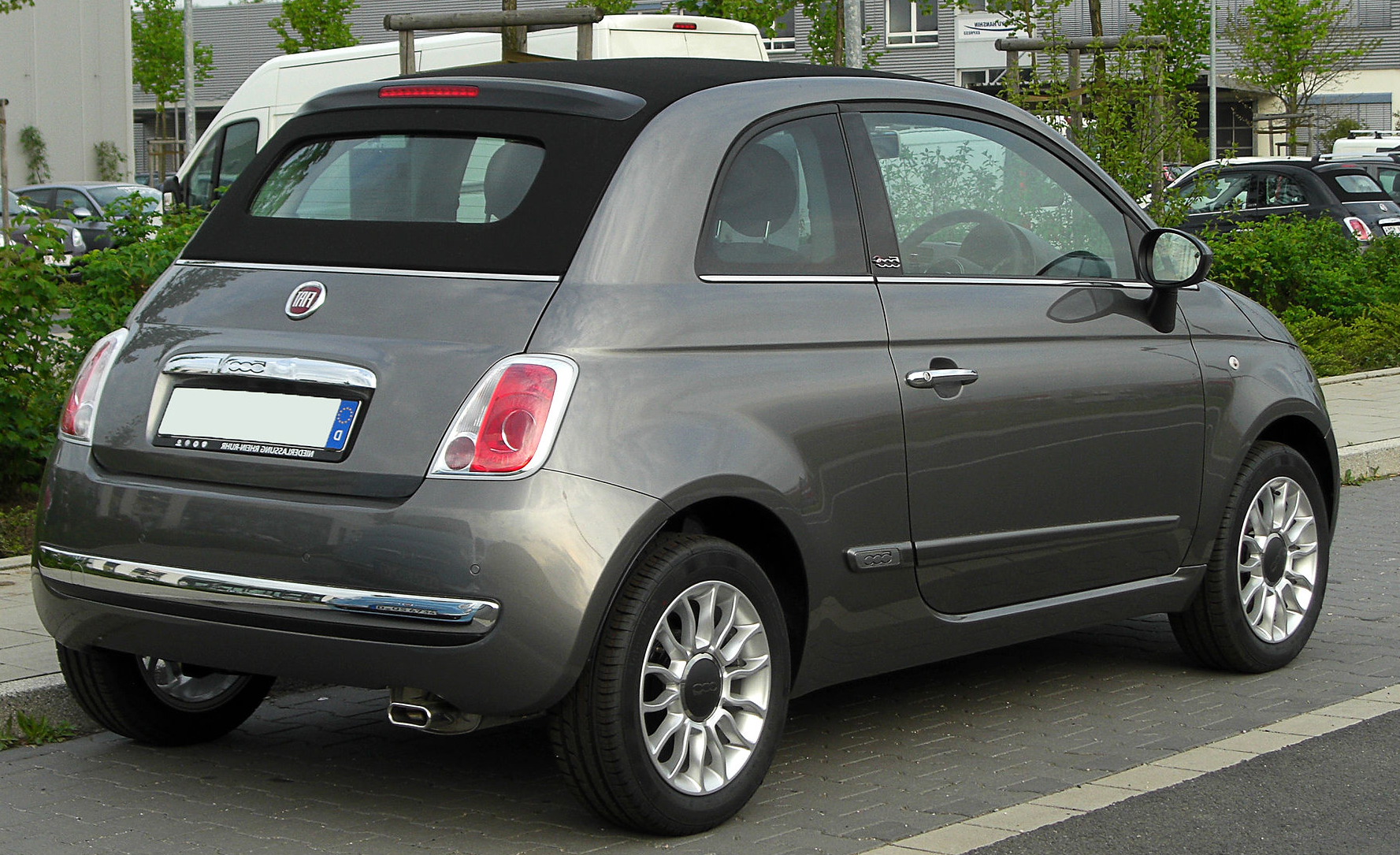
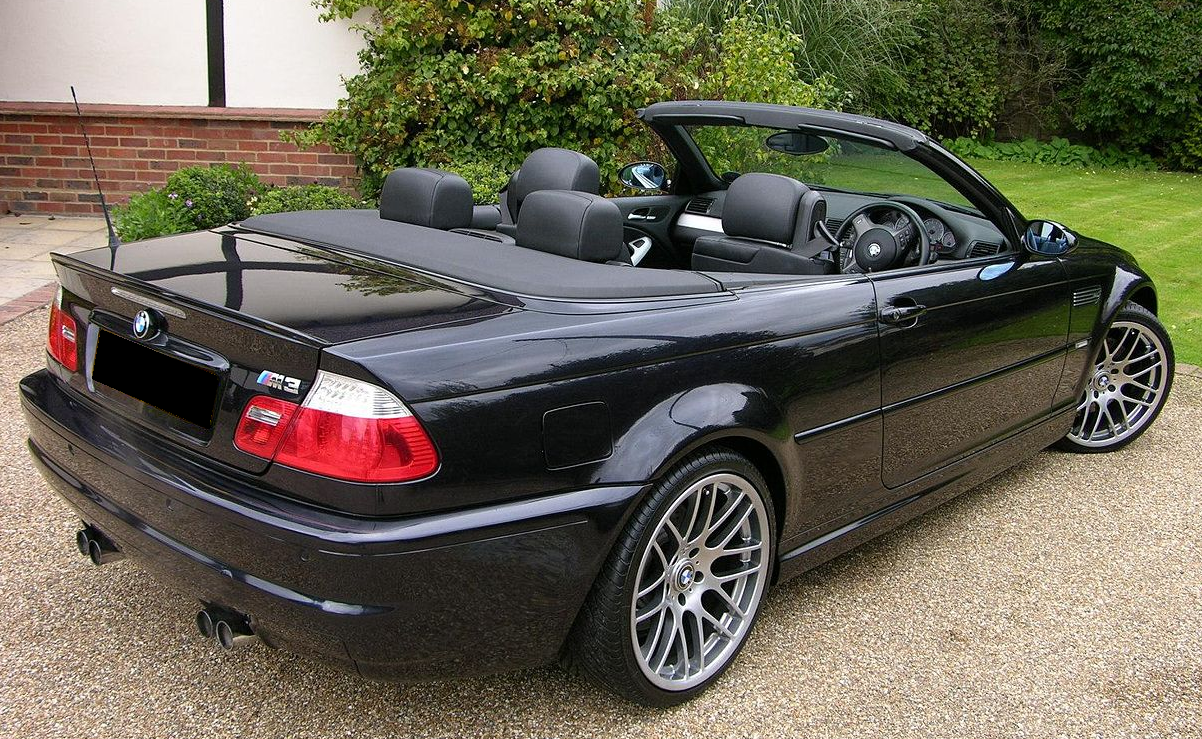
The word cabriolet (also "convertible" in English) needs no further explanation. Everyone knows that it is an open car, with or without a back seat, where the roof can be manually or automatically folded back and allow the passengers to enjoy nature and the wind. Painfully enough, the usefulness and joy of a convertible for us Swedes is limited. Kudos to those who still buy one.

Hard-top
The word hardtop is one of those words that people have different definitions of. Some use the word to describe a removable sheet metal roof and some simply mean a sheet or vinyl roof that cannot be removed. The original meaning of the word comes from when hard roofs were put on old cars without b-pillars for increased safety.
Picture : Wikipedia
Hypercar

Picture : Wikipedia
Kammback
A kammback (or kamm tail) is when the rear of the car slopes downwards before abruptly cutting off almost completely vertically. The basic idea with the camback was to improve aerodynamics while maintaining a practical body shape.
Limousine
Everyone knows what a limousine is, a car with an extended body and room for many passengers and with a separate driver's compartment. There are companies that offer limousine service for festive occasions or for professional transport for customers looking for an extra degree of comfort and style. Now if you think it's stylish and flamboyant.
Shooting brake
Spider/Spyder
SUV coupé
The Laundaulet
A type of car where the roof over the driver's compartment is fixed, while the roof over the rear passenger compartment is retractable or removable. This means that the passengers can enjoy an open sky while the driver has a closed compartment. The Landaulet was common as a ceremonial car in the early 20th century but there are modern variants.
The SUV convertible
Targa
T-top
You can almost hear from the name what it is about. The roof consists of two parts that extend from the windshield to the rear and meet in the middle in the shape of a "T". These two parts can be removed separately to create an open roof area above the driver and passenger seats. In this way, the car's structural support is kept intact.